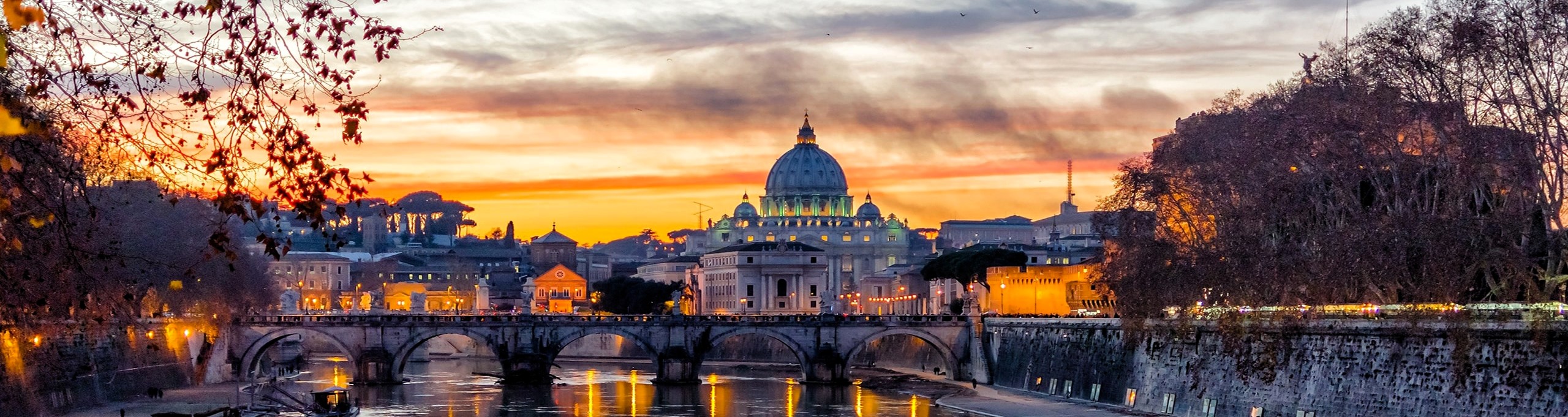
The construction of St. Peter’s Basilica took over a century in the making.The planning of the Basilica started when Pope Julius II commissioned a competition to design the grandest building in Christendom. The winner of the competition was Donato Bramante, and the foundation stone was laid in 1506. A series of deaths and personnel changes led to the change of architects from Bramante to Raphael to eventually Michelangelo in 1547.
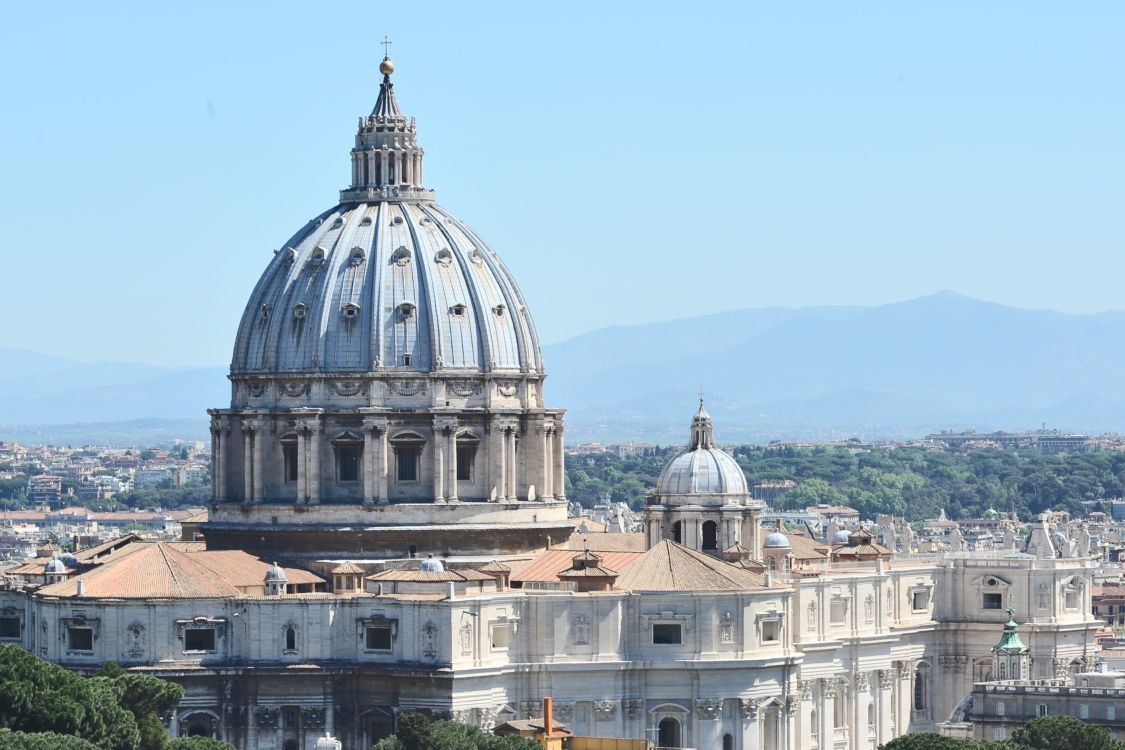
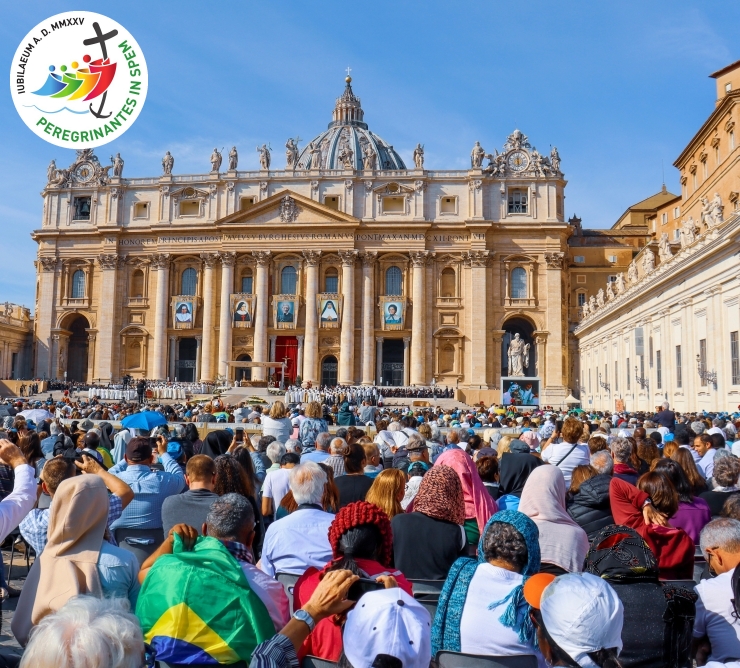
The St. Peter's Basilica dome and the architecture are accredited to the brilliance of Michelangelo, who based it on the designs of Bramante. The Basilica is built in the traditional Renaissance architecture and has been an inspiration for church buildings across the world. The iconic facade was designed by Maderno and remains an unforgettable memory for millions of pilgrims who visit it each year to see the Pope.
1. Dedicated Entrance
2. For St. Peter's Basilica
3. For the Dome
Go to the ticket office located on the right side of the portico and show your reservation to the dedicated staff.
We recommend printing your booking to leave at the Dome ticket office.
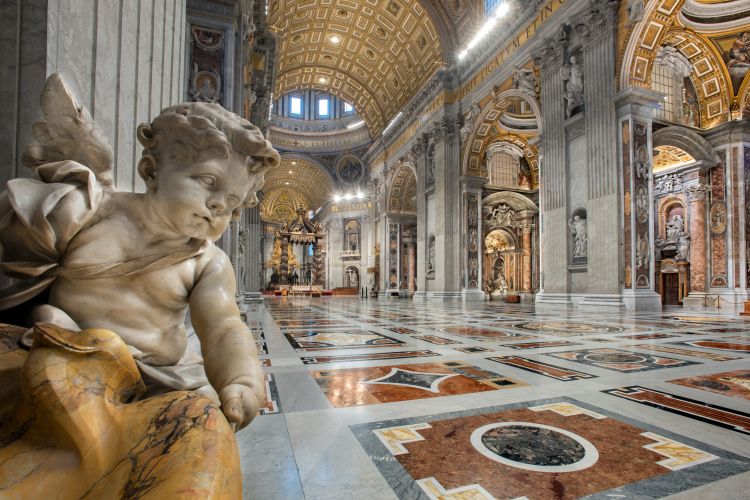
The Basilica offers visitors an itinerary rich in history, art and spirituality. Each stone, even the tiniest, has a story to tell, and to know them all would probably take weeks, if not months. Here are some tips according to the time you are able or wish to dedicate to your tour.
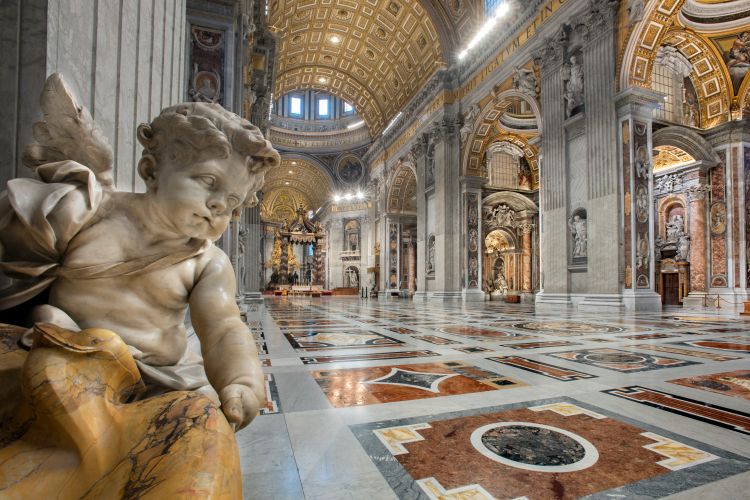
If you only have an hour or so, walk along the main nave up to the Altar of Confession: here you will be able to see the bronze statue of Saint Peter, the Confession of Saint Peter, the Papal Altar, Bernini’s Baldachin, the vision from inside of the majestic Dome and the 4 statues of the great pillars that support it. Then proceed towards the Apse to admire the Throne of Saint Peter and the Glory of the Holy Spirit.
After this, you may go down to visit the Vatican Grottos, where you will be able to see the Niche near which Saint Peter’s Tomb is located along with the tombs of several other Pontiffs. On your way out, in a chapel near the entrance, you will be able to admire Michelangelo’s Pietà. If you have more time, in addition to the itinerary just described, we suggest admiring the chapels and monuments on the aisles of the Basilica, all rich in art and history
hide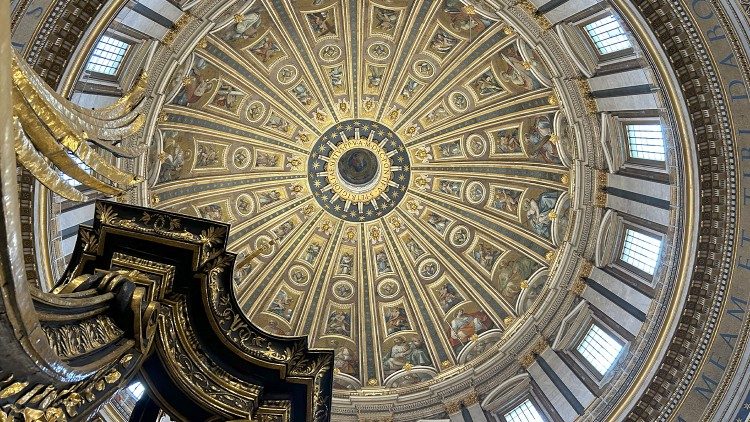
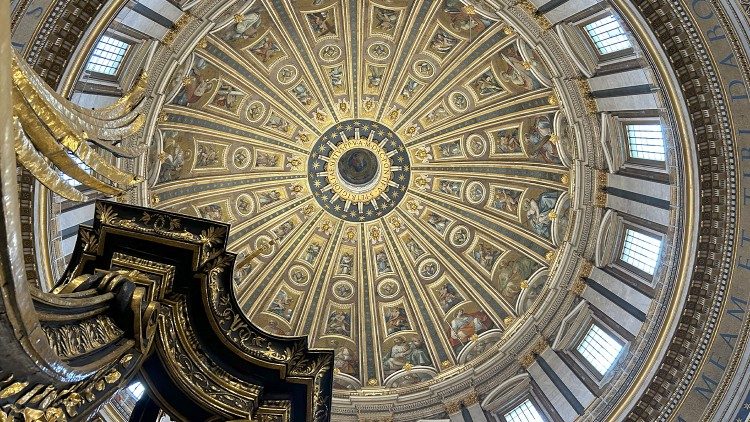
The Dome is like a Te Deum, a hymn of gratitude to God and a prefiguration of Paradise.
A harmonious sequence of rings presents in sequence the four evangelists, the patriarchs and the bishops. Christ, king and judge, is with the Virgin Mary, John the Baptist, Saint Paul and the twelve apostles.
The angels, arranged according to the celestial hierarchy, follow in concentric circles, all the way to the cherubs and the seraphs, the closest to the throne of God.
A final ring of gilded stars on a blue sky introduces us to the bright eye of the lantern, where we find God the Father.
Four pillars, 45 metres tall, are the powerful supports of the great cupola and on which the naves, aisles and the transept are based.
The bases of the pillars feature large niches with huge statues containing some of the most sacred relics in the Vatican Basilica.
The statue of Saint Longinus, the Roman centurion who cut open the rib cage of Christ, contains remains of the Holy Lance. The statue of Helena, mother of Constantine, contains remains of Christ’s Cross found in Jerusalem in the 4th century.
That of Saint Veronica protects the veil which she used to dry the face of Christ on the road to Calvary.
And, finally, the statue of Saint Andrew, brother of Peter, enshrines relics of the cross on which he was martyrized in Greece
hide
Art through the ages: discover the Vatican Museums and the Mamertine Prison with a single ticket!