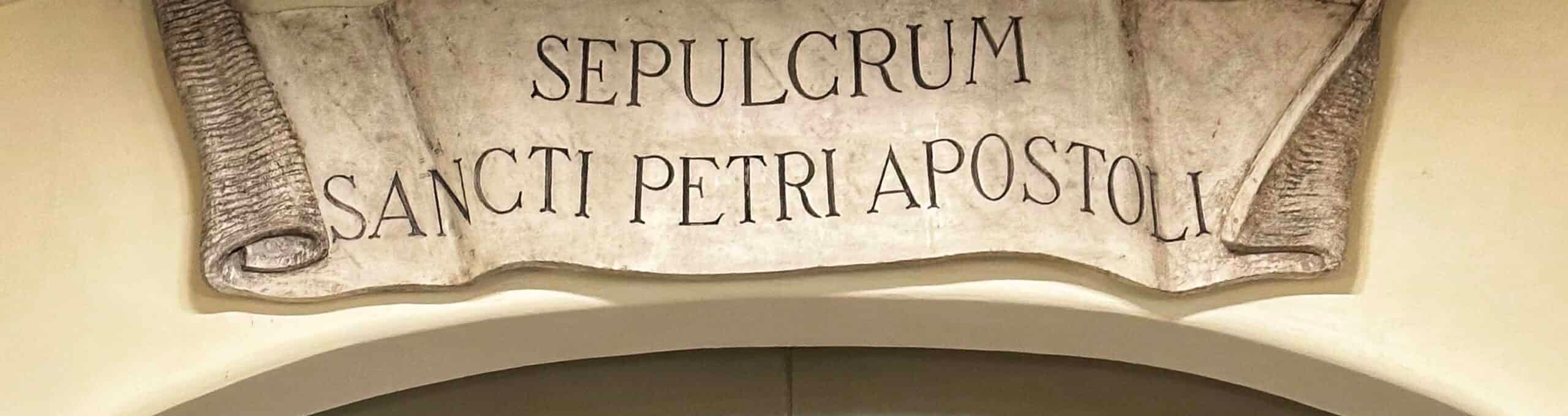
Questa visita con guida multilingue vi farà scendere nel cuore profondo della Basilica di S. Pietro alla scoperta dell’antica Necropoli romana, sopra la quale Costantino costruì la prima Basilica, incorporandovi il luogo della sepoltura di San Pietro.
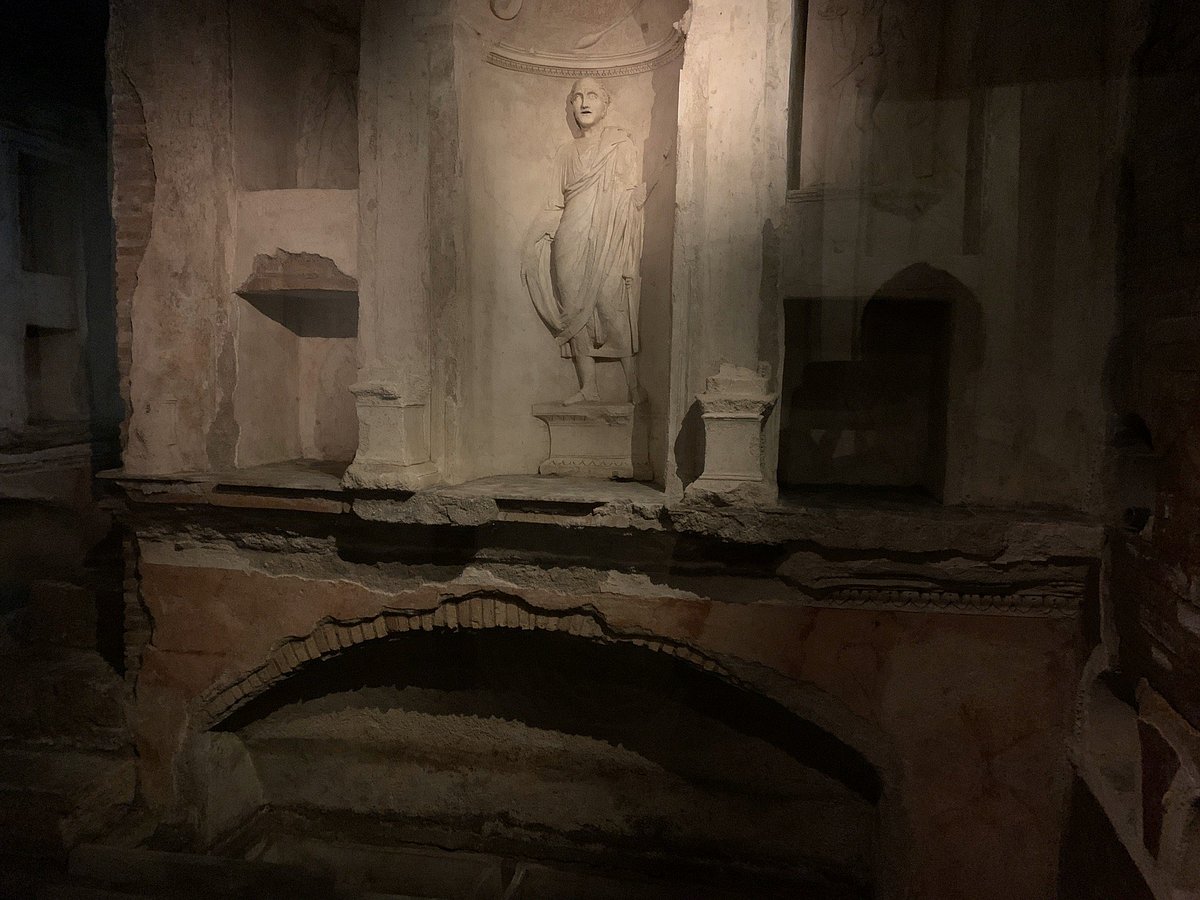
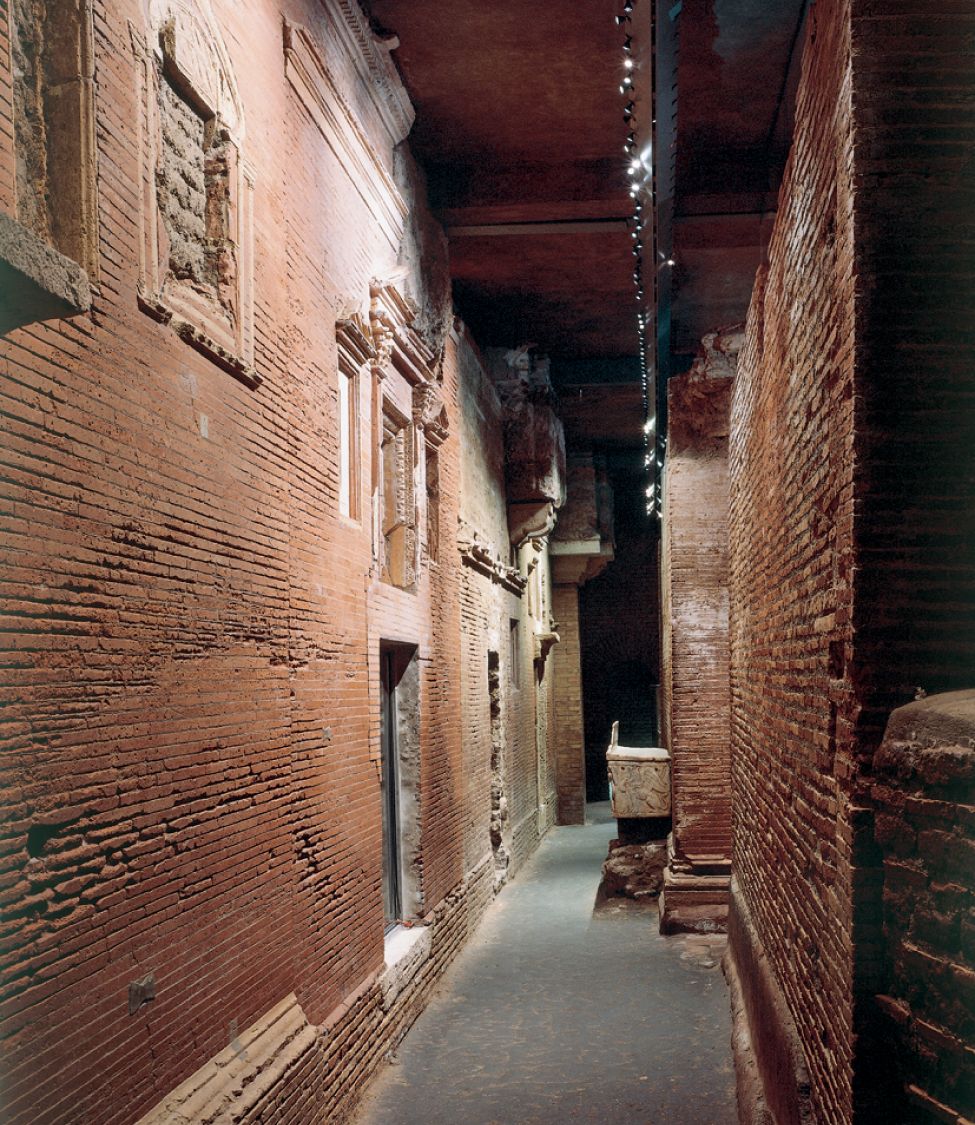
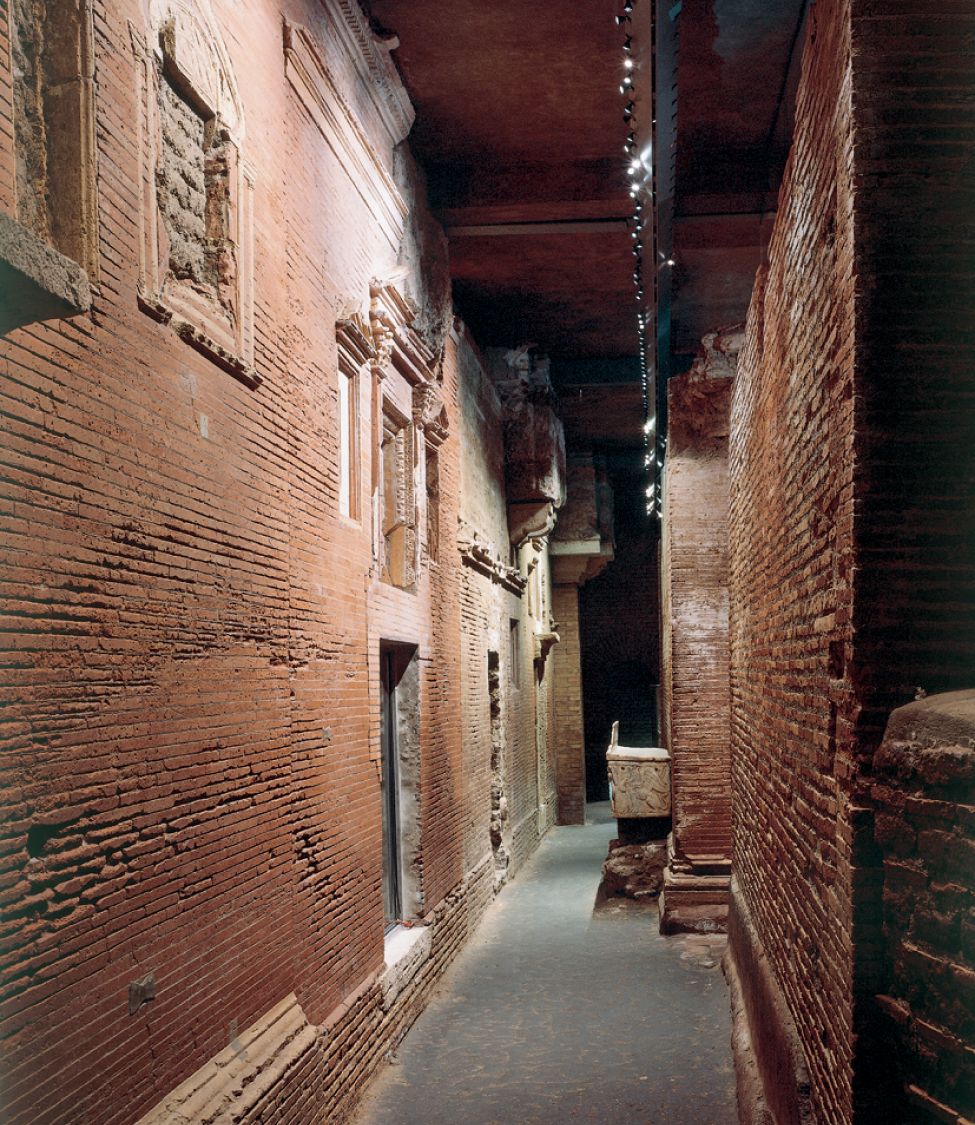
Nella Necropoli si aprono lungo una via funeraria centrale numerosi mausolei in laterizio, alcuni anche cristiani, tutti riccamente decorati con affreschi, mosaici, stucchi e bassorilievi e con splendidi sarcofagi. In un’ambiente dedicato sono raccolte e visibili le ossa di San Pietro.
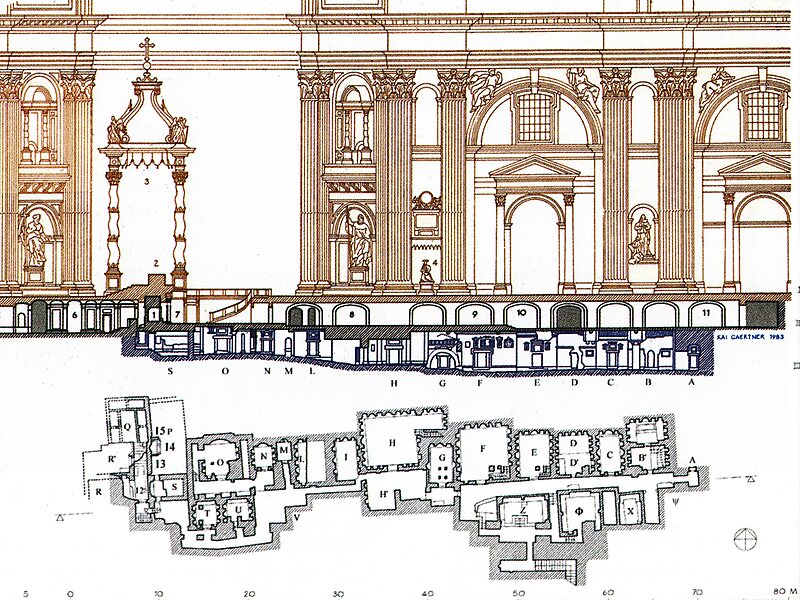
Scopriremo i resti della vasta Necropoli romana sviluppatasi dal I al IV secolo lungo la Via Cornelia, sopra il Colle Vaticano, non lontano dal Circo di Nerone e Caligola, dove nel 67 d.C. fu martirizzato San Pietro.
Nei suoi pressi, alcuni cristiani seppellirono nella nuda terra i resti dell’Apostolo, poi raccolti intorno al 150 d.C., sotto una edicola marmorea, passata alla storia come il Trofeo di Gaio. Quando nel 319 Costantino decise di costruire la prima Basilica sulla sepoltura di Pietro, salvaguardò la preesistente Necropoli, tagliando solo la parte superiore delle tombe. Ma soprattutto volle dare alla sepoltura di S. Pietro la dignità dovutagli con la creazione della Memoria che prese il nome dell’Imperatore. Sia la Memoria che la Necropoli rimasero progressivamente sigillate sotto la prima e le successive basiliche, e per 16 secoli e non visibili ad occhio umano.
Papa Pio XII nel 1939 chiese ad un gruppo di archeologi di iniziare ricerche nel sottosuolo della Basilica. Terminate nel 1949, queste riportarono alla luce, dopo tanti secoli, la vasta necropoli pre-costantiniana e al suo interno la tomba di San Pietro. Nel 1952, sulla base di alcune iscrizioni, furono ritrovati i resti mortali di Pietro, oggi raccolti nel luogo dove erano stati deposti da Costantino e visibili alla venerazione dei fedeli di tutto il mondo proprio nel corso della visita.
PUNTO DI INCONTRO
After Peter’s death, a group of Christians recovered his body and buried it in the bare earth, in accordance with Roman custom, close to a Roman necropolis that had arisen along the sides of the Via Cornelia, which ran through the area. Around the second century, clandestine devotion to the Apostle began with the construction of a small memorial shrine, which went down in history as the Trophy of Gaius, named after the traveler who recorded its presence in his writings.
When Constantine began the construction of the first basilica, he commissioned his architects to build it over the necropolis, cutting only the upper portions of those tombs, which mainly belonged to freedmen—former slaves who had gained success and could afford elaborate burial monuments. The new basilica was therefore erected over the Trophy of Gaius, incorporating it within a dignified setting. The Constantinian site remained an important landmark through the centuries as the burial place of Peter. Over time, however, it was lost from view for the faithful due to successive work that raised the floor of the Basilica. In 1939, Pope Pius XII commissioned a team of archaeologists to begin excavating beneath the Basilica. The excavations, completed in 1949, uncovered the vast pre-Constantinian necropolis. Starting in 1952, the epigrapher Margherita Guarducci discovered an inscription confirming the location of Peter’s tomb, which led to the identification of his mortal remains. After extensive analysis by expert scientists, it was confirmed that these remains matched the profile of Peter. In 1969, Pope Paul VI announced to the world the discovery of St. Peter’s relics.
hide